Will AI Replace Voice Actors?
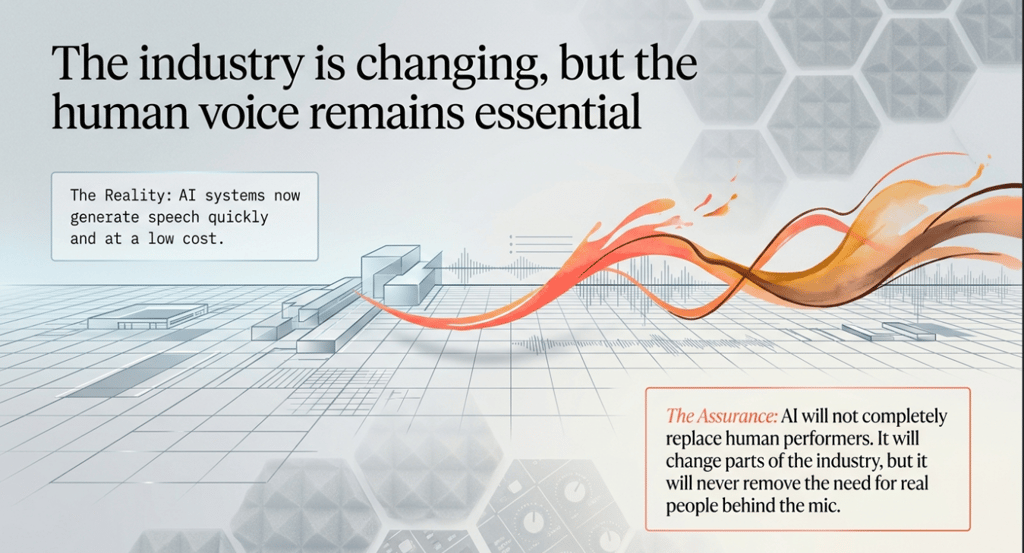
The short answer is no—AI will not completely replace human performers. It may change parts of the industry, but it won’t remove the need for real people behind the voice.
AI tools have come a long way. There are now systems that can generate speech quickly and at a low cost. For certain uses—like basic narration or placeholder audio—these tools can be useful. But there are limits to what AI can do, especially when it comes to emotion, connection, and collaboration.
What AI Can Do Well
AI-generated voices are improving, and they can handle simple tasks efficiently. For example, they can:
Read straightforward scripts
Generate quick voiceovers for testing or drafts
Produce consistent audio at scale
This can be helpful for things like temporary content or low-budget projects. It’s one reason why some people in voiceover are paying close attention to how AI is being used.
Where AI Falls Short
Even with its progress, AI still struggles with the human side of performance.
Voice work isn’t just about reading words—it’s about interpretation. It’s about understanding tone, subtext, and emotion. It’s about making something feel real.
That’s where human performers stand out. A voice actor brings:
Emotional depth
Creative choices
Adaptability in real time
AI can mimic a voice, but it doesn’t truly understand the story. It can’t collaborate, take direction in a meaningful way, or adjust based on subtle feedback.
The Importance of Human Connection
One of the biggest things AI can’t replace is relationships.
In this industry, a lot of opportunities come from:
Working with the same clients over time
Building trust with creators and teams
Communicating and collaborating on projects
These are human interactions. They go beyond just delivering lines—they’re about being part of a creative process.
That’s something no software can replicate.
What You Should Focus On
Instead of worrying about AI taking over, it’s more productive to focus on what you can control.
If you’re serious about voice acting, the best thing you can do is:
Practice consistently
Audition regularly
Keep improving your skills
There are still plenty of opportunities out there—books, games, fan projects, and more. The people who succeed are usually the ones who keep showing up and putting in the work.
If you’re concerned about losing opportunities, the solution isn’t to step back—it’s to stay active.
Protecting Your Voice
Another concern many people have is how their voice might be used in AI systems.
If you’re working with clients, it’s important to be clear about usage rights. Before accepting a project, make sure you understand how your recordings will be used.
You can also protect yourself by:
Discussing usage terms upfront
Asking direct questions about AI training
Including a disclaimer in your profile
A simple statement that you do not give permission for your voice to be used to train AI systems can help set expectations and protect your work.
AI Is Here—But So Are You
AI isn’t going away anytime soon. It will likely continue to grow and become more advanced. But that doesn’t mean human performers are being replaced.
Voice work has been around for a long time, and it continues to evolve. Technology changes, but the need for real performance, creativity, and connection remains.
At the end of the day, people connect with people.
Final Thoughts
AI may become a tool within the industry, but it won’t replace the human element that makes performances meaningful.
If you focus on improving your craft, building relationships, and staying consistent, there will continue to be space for you in this field.
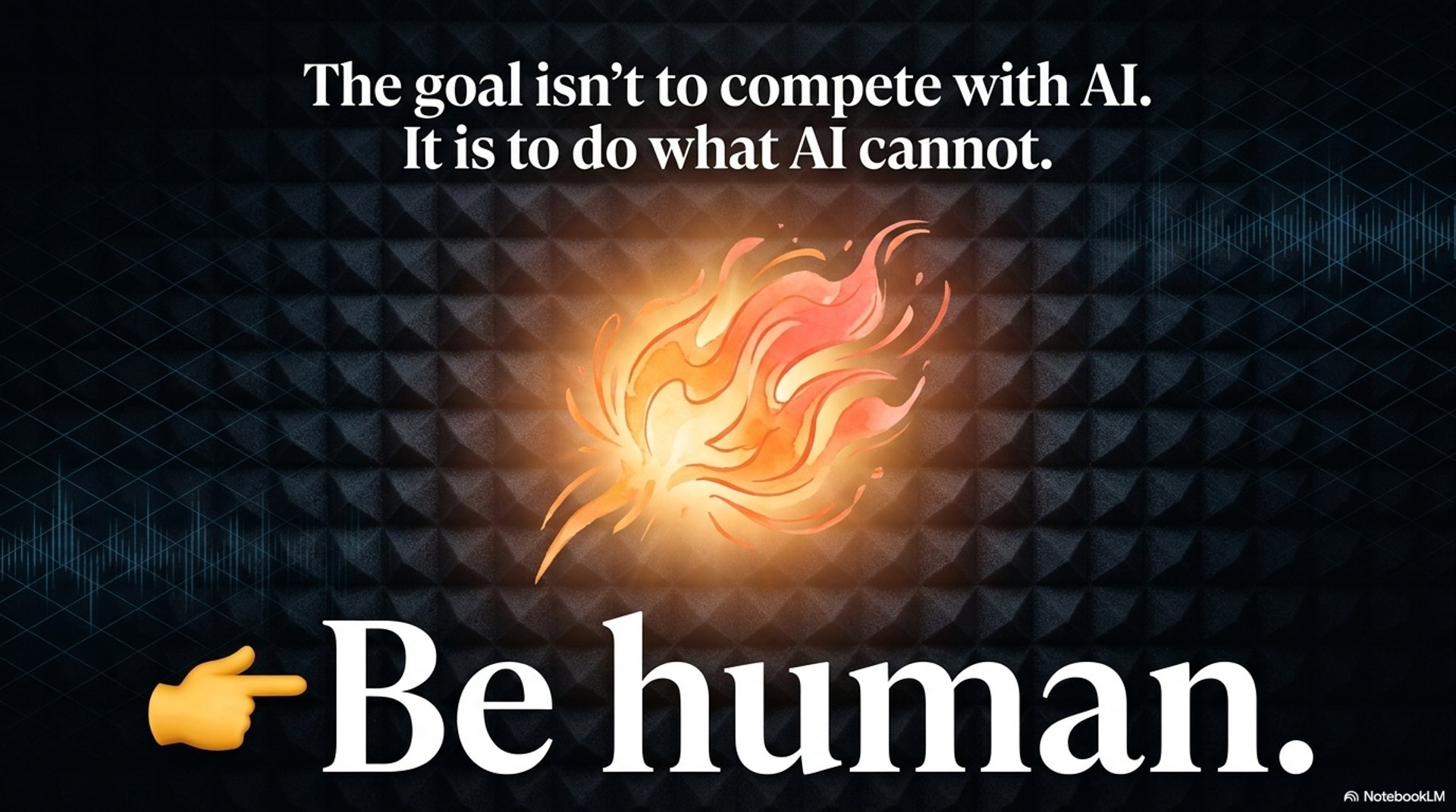
The goal isn’t to compete with AI—it’s to do what AI can’t.
👉 Be human.

Listen to My Work
Want to hear my work in action? Take a listen to my latest projects, including audiobook performances, voice-over work, and creative audio content. As an audiobook narrator, I’m always working to improve my performance, storytelling, and production quality with every project.
👉 Check out my audiobook and featured voice work here.
Let’s Work Together
If you’re interested in voice acting, demo production, or creative collaboration, feel free to reach out. I’m always happy to connect with other creatives and work on exciting projects.
👉 Contact me and let’s create something great together.
Related Articles
Looking for more tips on voice acting, recording, and creative audio work? Check out some of the related blog posts below for helpful advice on demo reels, recording equipment, audiobook narration, and getting started in the world of voice over.
👉 Explore more articles and continue building your skills as a voice actor and creator.