Voice Over Microphones: What You Really Need to Know
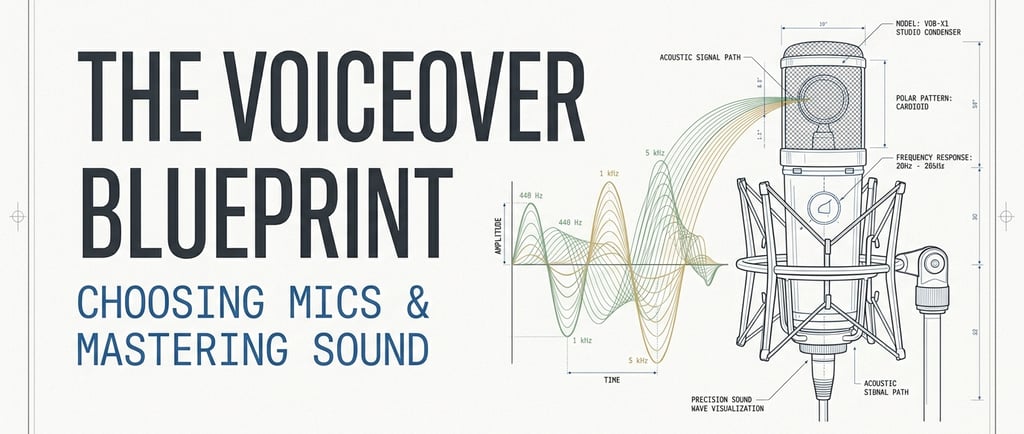
When people start exploring voiceover, one of the first questions they ask is: What microphone should I use? It’s a fair question, but the answer isn’t always as simple as buying the most expensive option.
The truth is, your microphone matters—but it’s only one part of the bigger picture. Understanding how different mics work, and how to use them properly, will make a much bigger difference than just chasing high-end gear.
Understanding the Main Types of Microphones
There are a few common types of microphones used in voice work, and each one has its place.
Dynamic Microphones
Dynamic mics are known for being durable and forgiving. They don’t pick up as much background noise, which makes them a solid choice for untreated spaces.
They’re often used for:
Podcasting
Streaming
General voice recording in less controlled environments
If your room isn’t well treated, a dynamic mic can help reduce unwanted noise.
Condenser Microphones
Condenser microphones are the most common choice for voice work. They are more sensitive and capture a wider range of detail.
That sensitivity is what makes them great—but it also means they pick up everything, including room noise.
They’re typically used for:
Narration
Character work
Studio-quality recordings
If you’re aiming to grow as a voice over artist, you’ll likely spend most of your time working with a condenser mic.
Shotgun Microphones
Shotgun mics are a bit different. They are designed to focus on sound coming from a specific direction, which helps isolate your voice.
One example is the Sennheiser MKH 416, which has become a popular choice in professional settings. It’s known for its clarity and focused sound, especially in treated environments.
This type of mic is often used in:
Film and TV production
High-end voice recording setups
Professional studios
Expensive Doesn’t Always Mean Better
A common mistake beginners make is thinking that buying expensive equipment will instantly improve their sound.
It won’t.
You can have a high-end microphone and still sound unprofessional if your setup isn’t right. On the other hand, you can get solid results from more affordable gear if you use it correctly.
Before upgrading your mic, focus on:
Your recording environment
Your mic placement
Your speaking technique
These factors often matter more than the mic itself.
Your Room Matters More Than Your Mic
This is one of the most overlooked parts of recording.
If you’re recording in a space with echo, background noise, or hard surfaces, your audio will reflect that—no matter how expensive your microphone is.
Think about it this way:
Recording a dramatic scene in a noisy laundry room with a dryer running won’t sound professional, even if you have great gear. The environment shapes the final result.
To improve your space:
Add soft materials like blankets or foam
Avoid large, empty rooms
Use a closet full of clothes if needed
A treated space will make a noticeable difference in your recordings.
Technique Makes a Difference
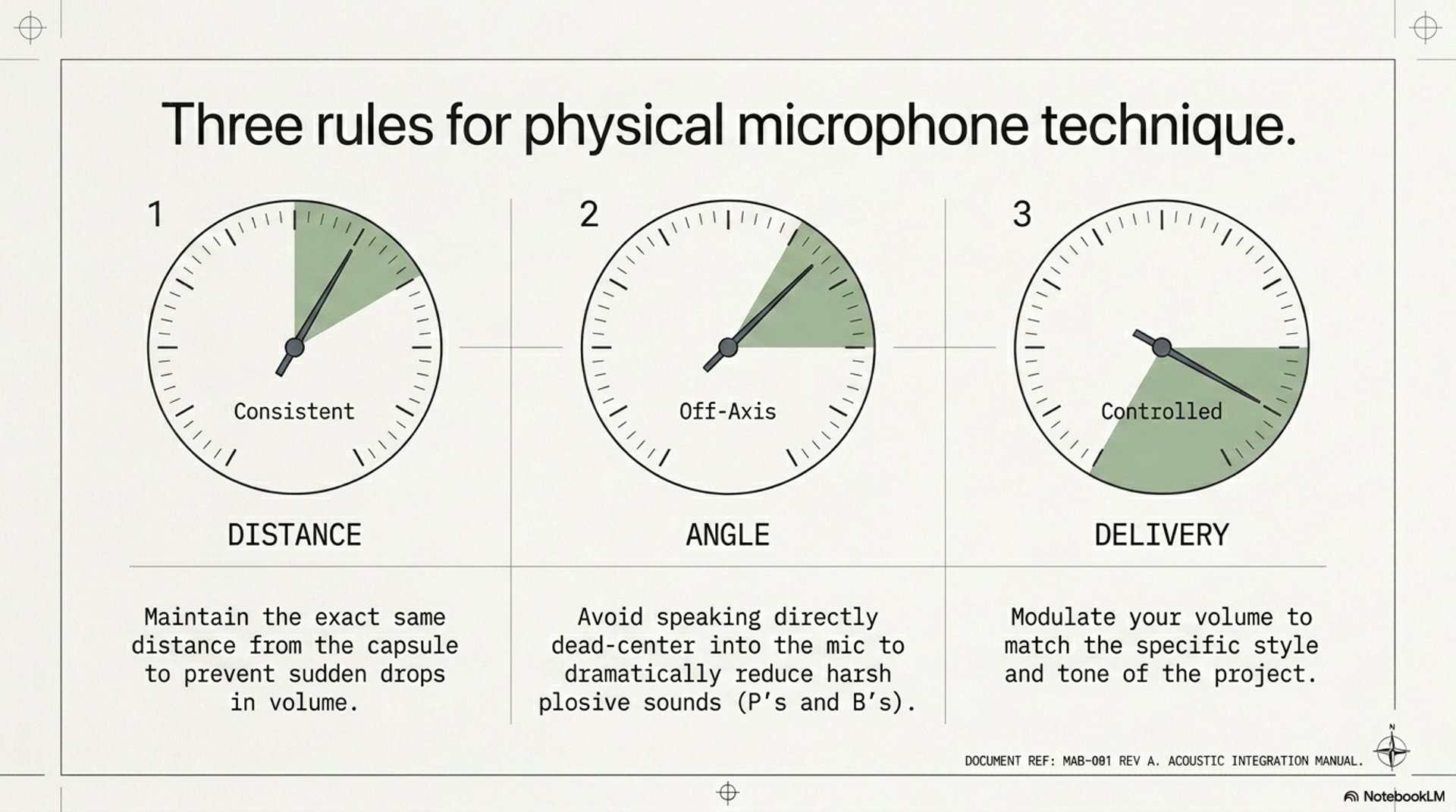
How you use your microphone is just as important as the microphone itself.
A few simple adjustments can improve your sound:
Keep a consistent distance from the mic
Avoid speaking directly into it to reduce harsh sounds
Control your volume and delivery
Your voice should match the project. A style that works for one type of content may not work for another. Developing control and awareness will help you sound more natural and professional.
Buying Smart: New vs. Used
When it comes to buying equipment, you don’t always need to go brand new.
Many microphones are built to last, and people tend to take good care of them. That’s why looking at used options can be a smart move.
Benefits of buying used:
Lower cost
Access to higher-quality gear
Same performance if well maintained
Whether you buy new or used, the goal is to find something reliable that fits your needs.
Where to Buy Microphones
You can find microphones in a few different places:
Local music stores
Online retailers
Secondhand marketplaces
Shops like Sweetwater are popular for new gear, while used marketplaces can offer good deals if you know what to look for.
Final Thoughts
Choosing a microphone is important, but it’s not the most important part of your setup.
Focus on:
Your recording space
Your technique
Your consistency
The right microphone will support your performance—but it won’t replace it.
If you’re just getting started, don’t overthink it.
👉 Start with what you have, learn the basics, and improve as you go.

Listen to My Work
Want to hear my work in action? Take a listen to my latest projects, including audiobook performances, voice-over work, and creative audio content. As an audiobook narrator, I’m always working to improve my performance, storytelling, and production quality with every project.
👉 Check out my audiobook and featured voice work here.
Let’s Work Together
If you’re interested in voice acting, demo production, or creative collaboration, feel free to reach out. I’m always happy to connect with other creatives and work on exciting projects.
👉 Contact me and let’s create something great together.
Related Articles
Looking for more tips on voice acting, recording, and creative audio work? Check out some of the related blog posts below for helpful advice on demo reels, recording equipment, audiobook narration, and getting started in the world of voice over.
👉 Explore more articles and continue building your skills as a voice actor and creator.